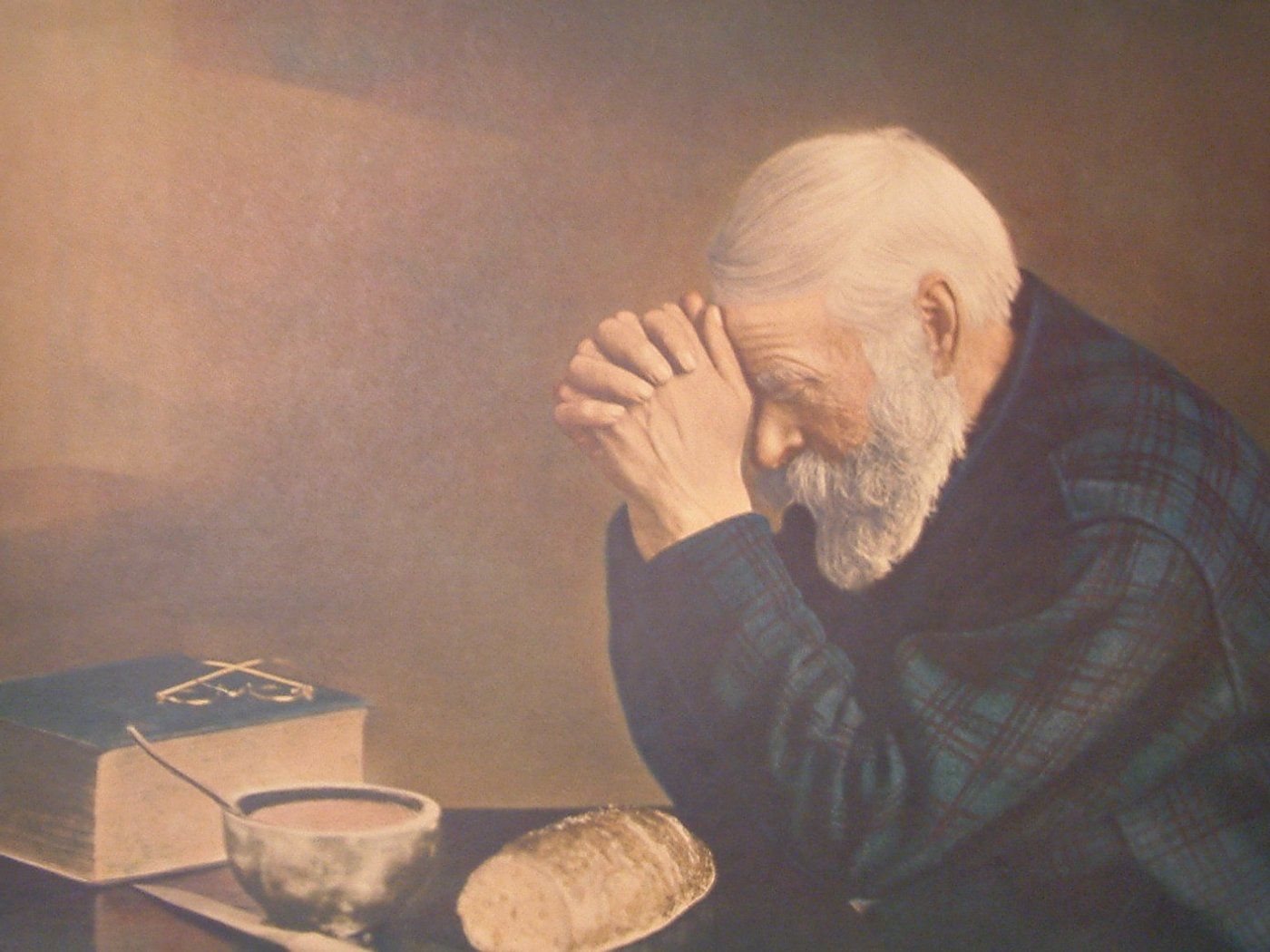
Leave It With God

If you take your problem to God, leave it with God. You have no right to brood over it any longer … If you have committed your problem to God and go on thinking about it, it means that your prayers were not genuine. If you told God on your knees that you had reached an impasse, and that you could not solve your problem, and that you were handing it over to him, then leave it with him. Do not go to the first Christian you meet and say, ‘You know, I have an awful problem; I don’t know what to do.’ Don’t discuss it. Leave it with God, and go on to the watch-tower. This may not be easy for us. We may have to be almost violent in forcing ourselves to do this. It is none the less essential. We must never allow ourselves to become submerged by a difficulty, to be shut in by the problem. We must come right out of it .. We have to extricate ourselves deliberately, to haul ourselves out of it, as it were, to detach ourselves from it altogether, and then take our stand looking at God – not at the problem.

~ Dr. Martyn Lloyd-Jones (1899-1981)
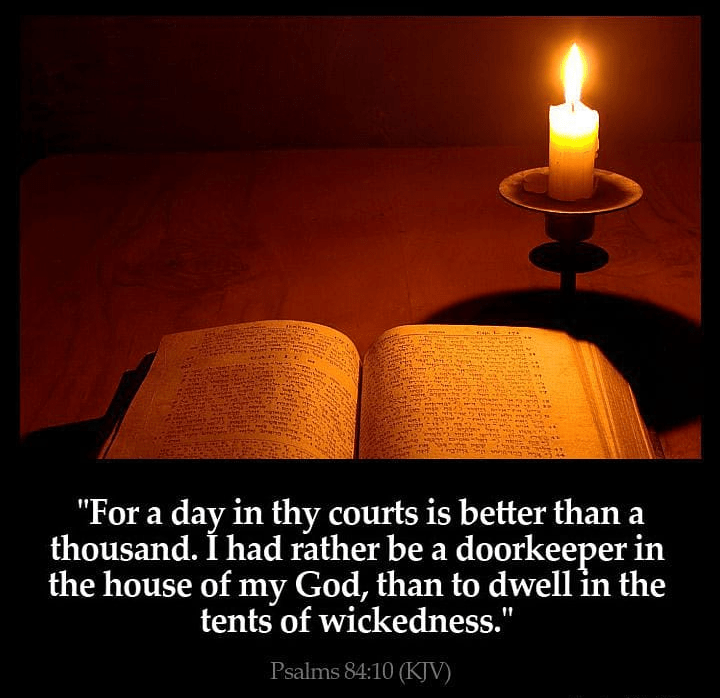
Costly Grace

Costly grace is the treasure hidden in the field; for the sake of it a man will gladly go and sell all that he has. It is the pearl of great price to buy which the merchant will sell all his goods. It is the kingly rule of Christ, for whose sake a man will pluck out the eye which causes him to stumble; it is the call of Jesus Christ at which the disciple leaves his nets and follows him. Costly grace is the gospel which must be sought again and again, the gift which must be asked for, the door at which a man must knock. Such grace is costly because it calls us to follow, and it is grace because it calls us to follow Jesus Christ. It is costly because it costs a man his life, and it is grace because it gives a man the only true life.

~ Dietrich Bonhoeffer (1906-1945)

A Peculiar Beauty

“For I determined not to know anything among you except Jesus Christ and Him crucified.”

~ 1 Corinthians 2:2 (NKJV)

“There is a peculiar beauty in the Apostle’s expression, not only to preach Christ, but Christ crucified. There were a thousand excellencies in Christ Paul had learnt, and on which he had often dwelt, with holy rapture. But the cross included all. There Paul fixed his eye, his heart, his whole soul. And, what he felt so truly blessed, to himself, he longed to communicate to all the Lord’s people. Christ crucified, was peculiarly suited, to poor sinful men. It was worthy of all acceptation! Reader! how little do those men know of the plague of their own heart, who preach aught beside!”

~ Hawker’s Poor Man’s Commentary

Of Divine Providence

“God the good Creator of all things, in his infinite power and wisdom doth uphold, direct, dispose, and govern all creatures and things, from the greatest even to the least, by his most wise and holy providence, to the end for the which they were created, according unto his infallible foreknowledge, and the free and immutable counsel of his own will; to the praise of the glory of his wisdom, power, justice, infinite goodness, and mercy.”

~ London Baptist Confession of Faith 1689 V.I

The Lord’s Portion

“For the LORD’s portion is His people…”

~ Deuteronomy 32:9 (NKJV)

It is amazing to think of all the things God could delight in, He is abundantly pleased to delight in His people. The Creator of heaven and earth has no greater love, joy or delight than to pour out His care and affection over the people whom He has chosen for Himself. This concern is seen in no fuller glory than when God’s own beloved Son, the Lord Jesus Christ, died that sacrificial death that allows us the high privilege, that allows us, those who come by faith, to become the Lord’s portion.

Amen

The Imago Dei

After God had made all other creatures, he created man, male and female, with reasonable and immortal souls, rendering them fit unto that life to God for which they were created; being made after the image of God, in knowledge, righteousness, and true holiness; having the law of God written in their hearts, and power to fulfill it, and yet under a possibility of transgressing, being left to the liberty of their own will, which was subject to change.

~ London Baptist Confession of Faith 1689 VI.II

The Rock

“Let God be exalted, The Rock of my salvation!”

~ 2 Samuel 22:47 (NKJV)

The doctrine of God’s immutability is of the highest significance for religion. The contrast between being and becoming marks the difference between the Creator and the creature. Every creature is continually becoming. It is changeable, constantly striving, seeks rest and satisfaction, and finds this rest in God, in Him alone, for only He is pure being and no becoming. Hence, in Scripture God is often called the Rock.

~ Herman Bavinck (1854-1921)

No Longer An Abomination

“You shall not sacrifice to the LORD your God a bull or sheep which has any blemish or defect, for that is an abomination to the LORD your God.”

~ Deuteronomy 17:1 (NKJV)

Why did the Lord God command Israel to only offer a sacrifice free from blemish or defect? Was God just be trivial and trying to make worship unnecessarily difficult for His people to perform? Of course not! The mandate to bring no blemished or defective animal before the Lord was to teach Israel a vital spiritual lesson – that God is most holy, perfect and pure -and therefore cannot accept anything less than perfection for Himself. Anything less is an affront to the nature and character of a righteous God.

Yet we know that these mere animals possess no real moral character and only symbolize and point to the one true sinless sacrifice that can claim moral purity and perfection – Christ Himself. Jesus alone fulfilled the Old Testament obligation and command to offer only that which was free of defect or blemish. He offered Himself in place of sinful imperfect man who are riddled with blemish and defect. Christ offered Himself that we, those who come to Him by His mercy and by our faith, are graciously no longer an abomination to the Lord.

Amen